


Medical cables play a vital role in healthcare systems, enabling the reliable transmission of signals, power, and data within critical medical devices. Winfox brings over 30 years of expertise as a fully custom medical cable manufacturer, focusing on precision engineering and application-specific design.
We serve medical device manufacturers, OEMs, and hospital equipment suppliers worldwide across global healthcare markets. ensuring safety and performance in demanding clinical environments.
Explore our full range of cables for medical applications below.
Our Medical Cable Options
| medical cable-1 | medical cable-2 |
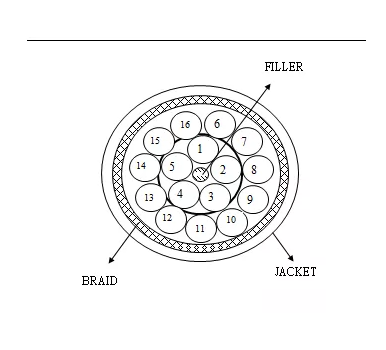 |
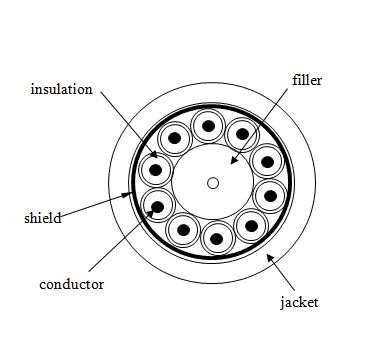 |
| medical cable-3 | medical cable-4 |
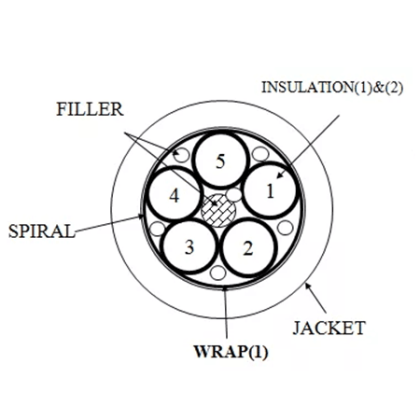 |
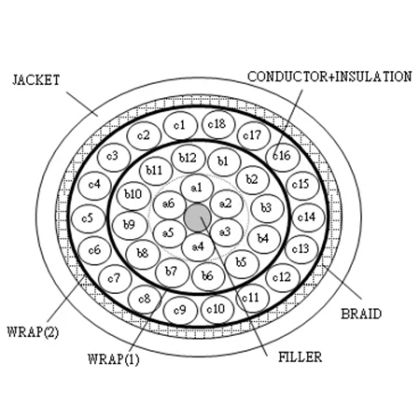 |
Types of Medical Cables
We classify medical cables by device function, signal needs, electrical load, and clinical environment. For procurement teams and medical device engineers, the cable name is only the beginning. The difference lies in the cable structure.
A medical cable may need low noise shielding, flexible conductors, biocompatible jacket materials, chemical resistance, sterilization compatibility, or a hybrid design that combines power, data, and signal lines in one assembly. By reviewing each cable from both a physical and electrical perspective, you can choose a design that fits the device, workflow, and clinical setting.
Endoscope Cables: Endoscope cables support video signal transmission during minimally invasive procedures. These cables can use fine stranded copper or silver plated conductors to improve flexibility and signal stability in compact spaces. Shielding options, such as braid, foil, or layered designs, help reduce electromagnetic interference and protect image clarity. The jacket can be made with silicone, TPU, TPE, or fluoropolymer materials, depending on flexibility, chemical resistance, and sterilization needs.
Dental Equipment Cables: Dental equipment cables provide power, signal, or data connection for handpieces, ultrasonic scalers, and related chair side devices. They need to stay flexible during daily movement while resisting moisture, abrasion, cleaning agents, and repeated handling. Silicone, TPU, TPE, or medical grade PVC jackets may be selected based on softness, durability, and disinfection needs. Internal conductors can be arranged for power and control signals, while shielding may be added for digital or motorized systems.
SpO₂ Sensor Cables: SpO₂ sensor cables transmit pulse oximetry signals for real time oxygen saturation monitoring. Since these cables are often attached to the patient for long periods, they should be lightweight, soft, and flexible. Fine stranded conductors, twisted pairs, or shielded pair structures may be used to support signal stability and reduce noise from movement or surrounding equipment. Reusable versions need jacket materials that tolerate cleaning and disinfection.
Defibrillator Cables: Defibrillator cables are designed for emergency cardiac equipment that must deliver electrical energy quickly and reliably. Their structure may include larger conductors, reinforced insulation, and strong jacket materials to support high current delivery and safe handling. Silicone, TPU, or other durable insulation materials can be selected based on voltage, flexibility, cleaning, and device requirements. The design should also consider spacing, insulation thickness, strain relief, and repeated coiling.
ECG, EKG, and EEG Cables: ECG and EKG cables transmit heart activity signals, while EEG cables transmit brain electrical signals. These signals are small and sensitive, so the cable may need low noise materials, shielding, flexible conductors, and stable channel separation. Copper or optional silver plated copper conductors may be used for signal stability. Soft TPU, TPE, silicone, or PVC jackets help improve patient comfort during monitoring.
Surgical Scalpel Cables: Surgical scalpel cables connect electrosurgical tools to power or control systems. These cables need insulation and jacket materials that can handle heat, cleaning chemicals, sterilization, and repeated movement in the operating room. Silicone, fluoropolymer, TPU, or other medical suitable materials may be selected based on electrical load and sterilization method. Shielding or layered insulation may be added when the device requires better energy control, signal protection, or leakage current management.
IBP Cables: IBP cables connect pressure transducers to patient monitors for invasive blood pressure measurement. Because the signal is sensitive, shielded multi conductor structures are often useful for reducing electrical noise in ICU and operating room environments. Fine stranded copper conductors help the cable stay flexible during bedside routing and patient movement. Fillers, wrapping, and strain relief can help maintain cable geometry and long term signal stability.
NIBP Cables: NIBP cables support non invasive blood pressure monitoring through cuffs, modules, or patient monitors. Depending on the system design, the cable may carry signal, control, or power connections. The structure is usually focused on durability, easy cleaning, repeated bending, and practical use in wards, clinics, emergency rooms, and care facilities. TPU, TPE, silicone, or PVC jackets may be used based on cost, flexibility, and disinfection needs. Reinforced connectors and strain relief are important because cuffs are often repositioned during daily use.
MRI Cables: MRI cables require careful material and shielding design because MRI systems use strong magnetic and radio frequency fields. Depending on the location and function of the cable, the design may require non magnetic or low magnetic materials, RF shielding, and controlled signal construction to reduce interference and image distortion. Conductors, connectors, plating, and shielding layers should be reviewed for magnetic compatibility. Final design should be confirmed according to the MRI device, field strength, and safety requirements.
In addition to device-based categories, Winfox also designs cables based on structural architecture, including coaxial, shielded, multi-conductor, and hybrid power-signal configurations, ensuring each solution is optimized for both electrical performance and clinical operating conditions.
Applications of Medical Cables
Medical cables are used in many healthcare environments, but each setting creates a different set of priorities. The following application overview focuses on clinical use conditions rather than repeating cable construction details.
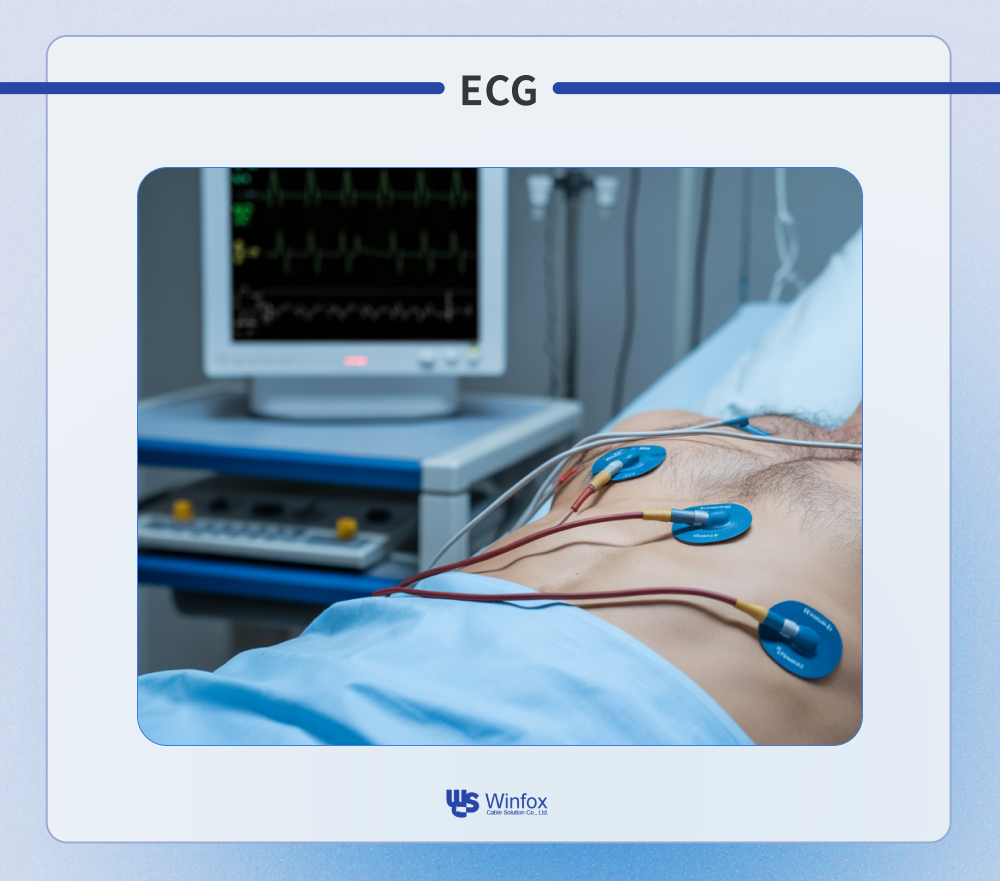
ECG and Patient Monitoring: ECG and patient monitoring cables help clinicians track patient conditions in real time. They are used in wards, emergency rooms, operating rooms, and portable monitoring devices. In these settings, cables must connect securely, support clear readings, and remain easy to clean between patients.
Dental Applications: Dental cables are used with handpieces, ultrasonic scalers, and other chair side equipment. They need to support smooth hand movement, resist moisture, and withstand frequent cleaning. For dentists, a good cable should feel flexible, stay reliable, and avoid interrupting daily treatment workflows.
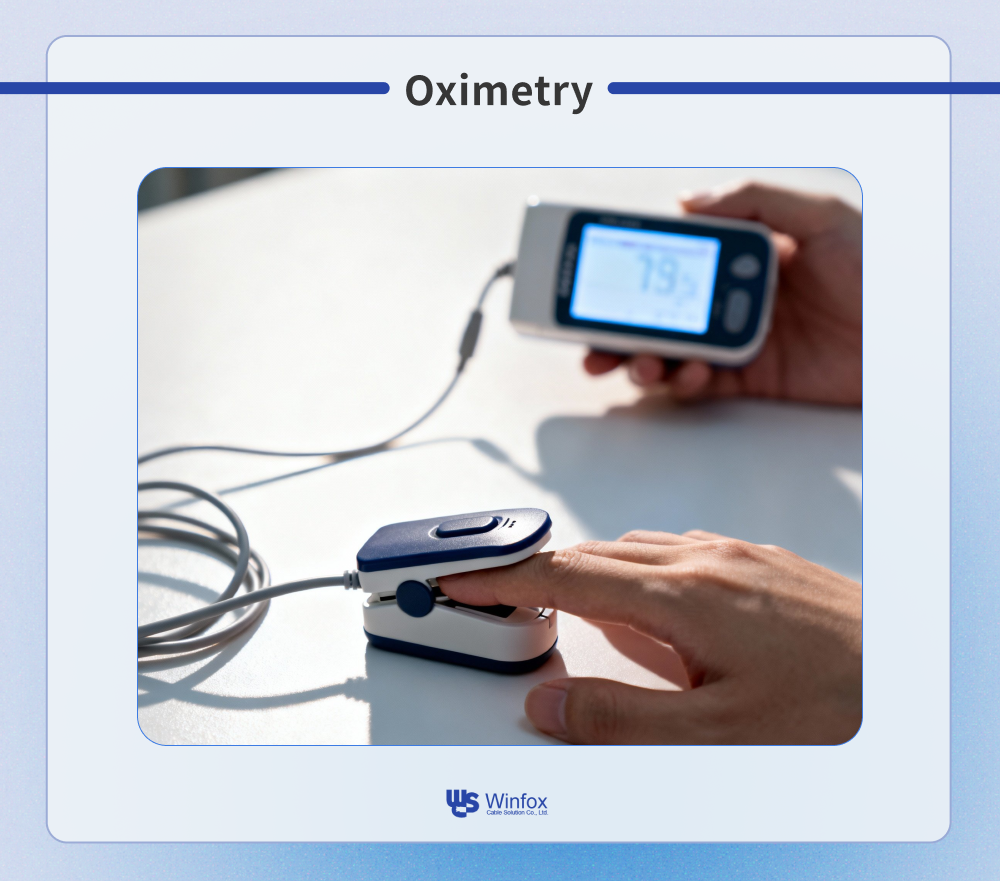
Oximetry: Oximetry cables support continuous blood oxygen monitoring during anesthesia, surgery, emergency care, and recovery. Since sensors are often attached to the patient for long periods, the cable should be lightweight, comfortable, and stable enough to prevent signal interruption during movement.
Aesthetic Medicine: Aesthetic medicine cables are used in laser, light therapy, and cosmetic treatment systems. Clinics need cables that are easy to handle, simple to disinfect, and durable enough for repeated use. Reliable cable performance helps treatments run smoothly and reduces equipment downtime.
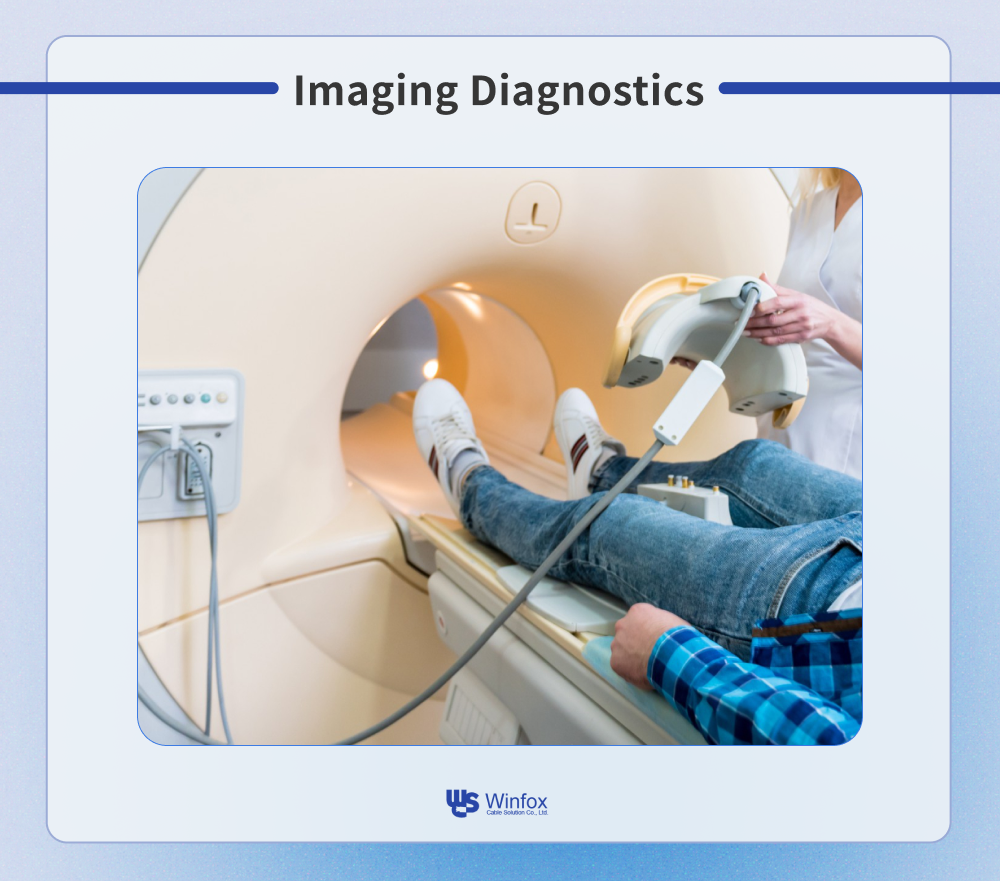
Imaging Diagnostics: Imaging systems such as X ray, CT, and MRI equipment rely on cables for data, signal, and device communication. These applications require stable transmission because poor signal quality may affect workflow and image reliability. Cable routing must also fit the space and safety needs of imaging rooms.
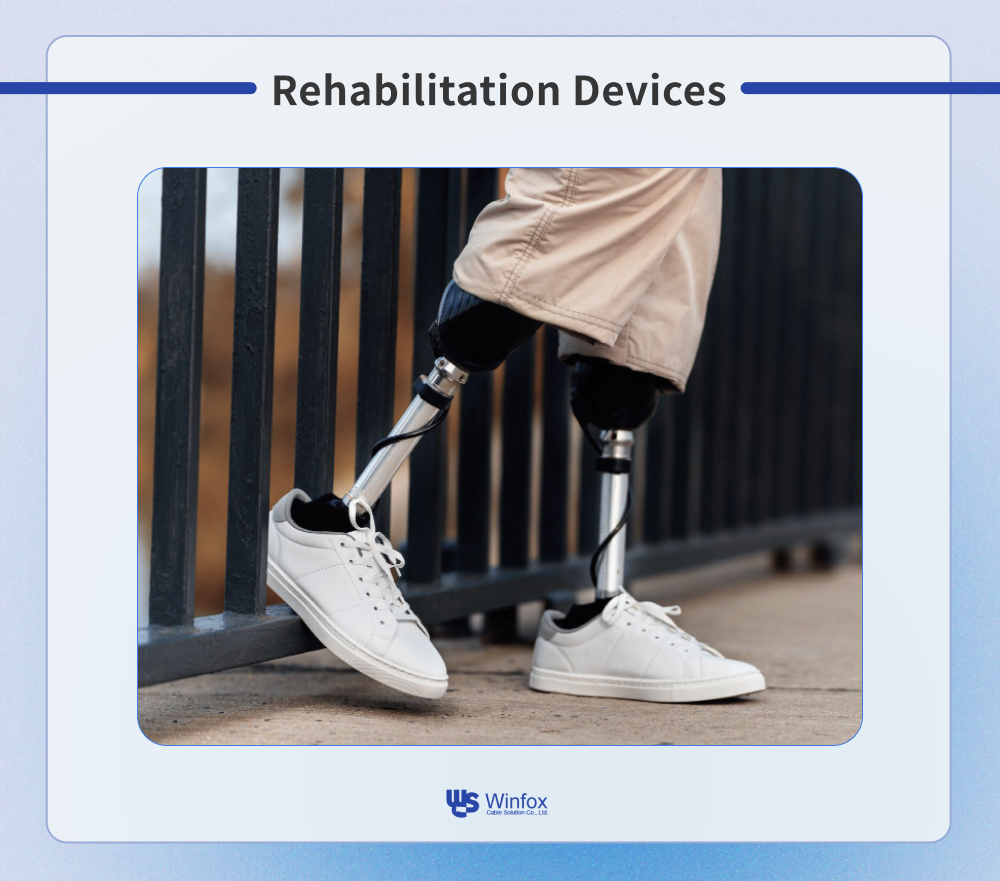
Rehabilitation Devices: Rehabilitation cables are used with muscle stimulators, mobility aids, and therapy equipment. These devices often involve movement, repeated bending, and longer treatment sessions. Cables should feel comfortable for patients while staying durable enough for daily use in clinics or care facilities.
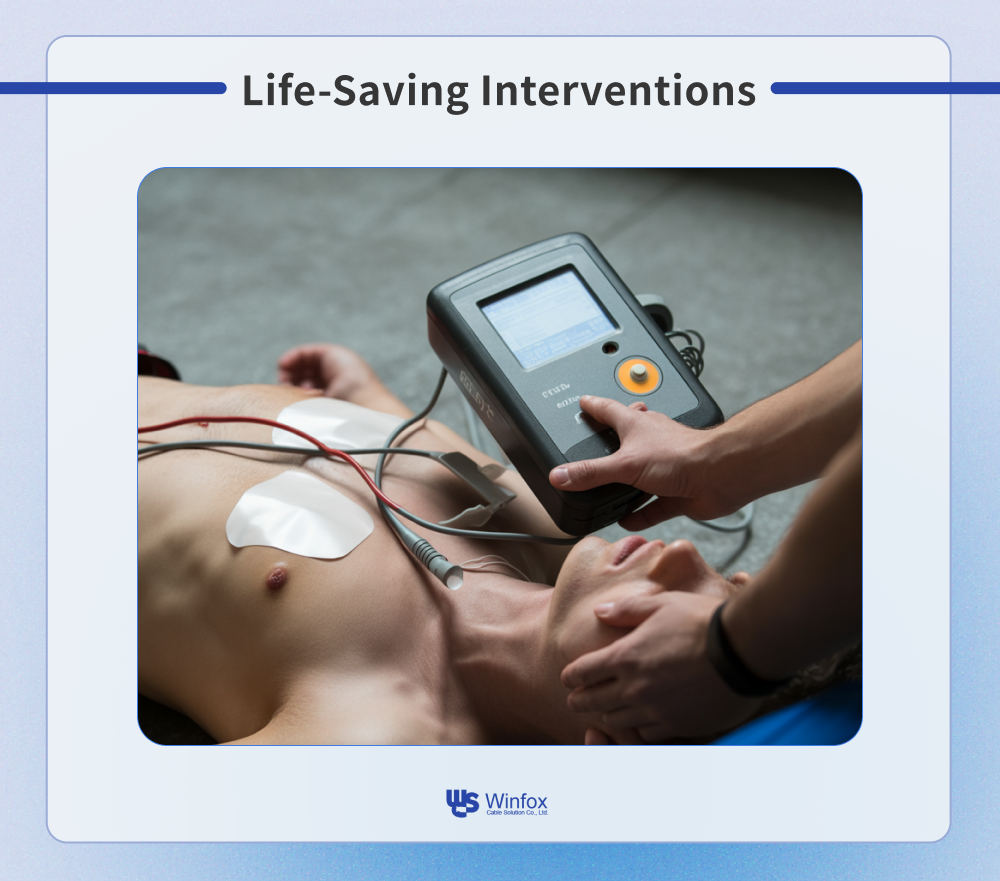
Life Saving Interventions: Defibrillator and emergency monitoring cables are used when fast response is critical. They must support quick setup, secure connection, and dependable performance under pressure. In emergency rooms, ambulances, and ICUs, cable reliability can directly affect treatment speed and clinical confidence.
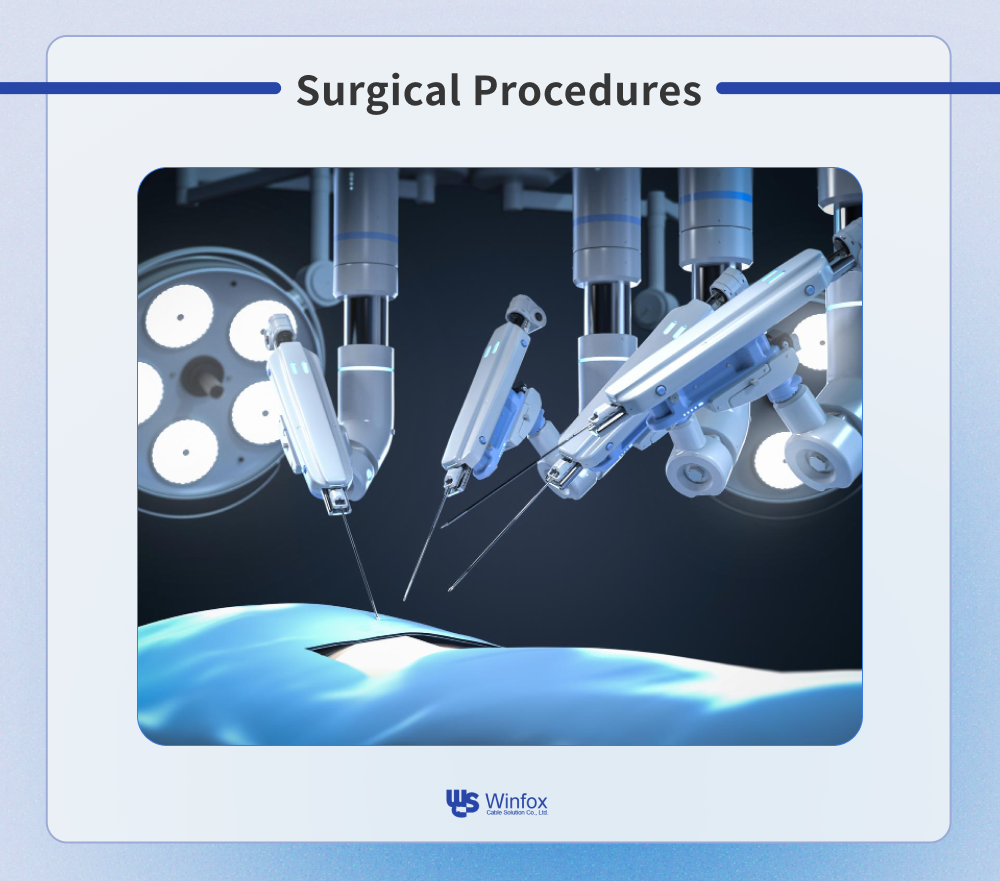
Surgical Procedures: Surgical cables connect electrosurgical tools, endoscopic systems, robotic devices, and monitoring equipment. In the operating room, cables must route cleanly around sterile zones and medical staff. They should support precise control, stable connections, and repeated sterilization throughout demanding procedures.
 |
 |
 |
 |
 |
 |
 |
 |
Key Design Considerations About Medical Grade Cable
In healthcare settings, cables serve a far greater role than simply transmitting power or data. Medical-grade cables are purpose-built to deliver reliable performance under stringent clinical requirements, where material failure, signal loss, or electrical interference can affect device operation and patient outcomes. When designing or sourcing cables for medical applications, the following factors are critical:
1. Durability
Medical cables play a vital role in healthcare applications and must be designed to withstand frequent bending, movement, and mechanical stress. To achieve this, manufacturers often use high-flex-life materials like thermoplastic elastomers (TPE), polyurethane (TPU), and silicone, which offer outstanding flexibility and durability. These materials are engineered to prevent cracking or breakage, which is crucial for cables in dynamic environments such as patient monitoring systems and endoscopic devices.
2. Electrical Performance and Noise Reduction
In medical devices, minimizing electromagnetic interference (EMI) and signal noise is essential for ensuring accurate data transmission. Even brief disruptions in the transmission can compromise patient care and lead to misinterpretations of a patient’s condition or even life-threatening situations. This is particularly important in sensitive devices like EEG and ECG machines.
High-quality medical cables incorporate shielding materials, such as copper braiding and aluminum foil, to block external interference and maintain signal integrity and continuity. Moreover, low-noise cables that comply with the AAMI EC53 standard are designed to reduce electrical noise, providing clear and reliable readings.
3. Bioburden Control
Controlling bioburden is essential in sterile medical environments to minimize bacterial contamination risks. Medical cables used in reusable applications typically undergo bioburden testing per ISO 11737 to validate their suitability for repeated sterilization. Incorporating anti-bacterial materials into cable construction provides an additional layer of protection, particularly in high-risk settings like operating rooms and intensive care units.
4. Biocompatibility Materials
For cables that come into direct or indirect contact with patients, such as ECG electrodes, defibrillator pads, or surgical instruments, biocompatible materials are mandatory. Commonly used materials include:
-
Medical-grade PVC: Widely accepted, cost-effective, and suitable for general-purpose monitoring cables
-
Silicone: Preferred for invasive and implant-adjacent applications due to its flexibility, chemical inertness, and broad sterilization compatibility
-
TPU (Thermoplastic Polyurethane): Offers excellent abrasion resistance with thin wall thickness, ideal for cables subject to constant movement
-
TPE (Thermoplastic Elastomer): Soft touch and high flexibility make it suitable for patient-worn or handheld devices
All Winfox biocompatible materials are selected to meet ISO 10993 biocompatibility testing requirements, USP Class VI standards, and applicable FDA guidelines, ensuring both regulatory compliance and patient safety throughout the device's service life.
5. Sterilization Compatibility
Reusable medical cables must maintain stable performance after repeated cleaning and sterilization. The right jacket and insulation materials depend on the sterilization method, cycle frequency, exposure time, temperature, humidity, and chemical concentration.
|
Sterilization Method |
Compatible Materials |
Notes |
|
Autoclave or Steam Sterilization |
Silicone, fluoropolymers such as FEP and PFA, select autoclavable TPE grades |
High temperature and high humidity process. Silicone and fluoropolymers are common choices for repeated steam exposure. Standard PVC and general purpose TPE are usually not ideal for repeated autoclave cycles unless the compound is specifically validated. |
|
Ethylene Oxide or EtO |
TPE, TPU, PVC, silicone, fluoropolymers, and many medical grade polymers |
Low temperature sterilization with broad material compatibility. It is often suitable for heat sensitive cable materials, but aeration time and material absorption should still be reviewed. |
|
Gamma Radiation |
TPU, fluoropolymers, select PVC compounds, and select radiation stable TPE grades |
Gamma radiation can affect polymer strength, color, flexibility, and aging behavior. TPE may be suitable in selected compounds, but repeated or high dose exposure should be validated. |
|
Chemical Disinfectants |
Fluoropolymers, silicone, TPU, TPE, and select PVC compounds |
Common disinfectants may include alcohol, bleach based solutions, or other hospital cleaning agents. Compatibility depends on concentration, contact time, and cleaning frequency. |
|
Alcohol Wipe Down |
Most medical grade materials, including TPE, TPU, silicone, PVC, and fluoropolymers |
Suitable for surface cleaning between uses. Long term exposure testing is still recommended to confirm that the jacket does not crack, harden, discolor, or lose flexibility. |
When specifying a reusable cable, always confirm the sterilization protocol with your Winfox engineer so the jacket and insulation materials can be matched accordingly.
6. Chemical Resistance
Different healthcare environments expose cables to varying levels of disinfectants, bodily fluids, saline solutions, and cleaning chemicals. A material that performs well in one application may degrade quickly in another, leading to cracking, insulation failure, shorter service life, and potential safety concerns.
|
Material |
Chemical Resistance Level |
Best For |
Considerations |
|
PTFE, FEP, ETFE, PFA (Fluoropolymers) |
Excellent |
Laboratory equipment, catheter lab systems, critical care devices |
Withstands aggressive chemicals, including concentrated bleach, iodine solutions, and alcohol-based disinfectants |
|
Silicone |
Good |
Patient monitoring cables, reusable medical devices |
Resists common hospital disinfectants and body fluids while maintaining flexibility |
|
TPE |
Moderate to Good |
Flexible patient monitoring cables, wearable devices, handheld medical equipment, comfort focused cable designs |
Offers good flexibility, softness, and processing versatility. Chemical resistance varies by TPE grade, so compatibility with alcohol, bleach, iodine, peroxide, and other disinfectants should be validated before production. |
|
TPU |
Good |
Wearable devices, patient monitoring systems, portable equipment |
Durable and resistant to routine cleaning agents and bodily fluids |
|
Medical-Grade PVC |
Moderate |
General-purpose medical devices with mild cleaning requirements |
Suitable for mild disinfectants but less resistant to ketone- and ester-based solvents |
7. Disposable vs. Reusable Medical Cables
Choosing between disposable and reusable cables in medical applications depends on the intended use and infection control protocols. Disposable cables, often made from cost-effective materials like PVC, are ideal for single-use scenarios, minimizing the risk of cross-contamination. In contrast, reusable cables are designed for durability and constructed from robust materials that can withstand repeated sterilization without losing functionality.
8. Regulatory Compliance
Compliance with international standards is crucial when selecting medical cables and manufacturers, as it ensures the safety, performance, and reliability required in medical environments. Standards such as ISO 13485 focus on quality management systems for medical devices, while IEC 60601 addresses electrical safety in medical equipment. Also, UL (Underwriters Laboratories) certification verifies that cables meet stringent fire resistance and safety requirements, which is particularly important in hospital settings.
9. Customization and Hybrid Construction
In the diverse landscape of medical devices, customization is often necessary to meet specific application needs. Tailored cable assemblies allow for custom solutions that can integrate power, data, and signal transmission within a single assembly, known as hybrid cables. This design reduces clutter and simplifies setups in environments with limited space. Such custom configurations are essential for sensor cables in diagnostic devices, where precise specifications directly impact the effectiveness and reliability of medical treatments.
Winfox Provides You with the Best Solutions for Medical Cables Need
Based in Taiwan, Winfox provides custom medical cable solutions for ECG, dental equipment, monitoring devices, surgical tools, and other medical applications. With over 30 years of experience, extensive cable design knowledge, and a strong patent portfolio, we help medical device manufacturers create all types of cables that meet their exact performance and safety needs.
Our custom medical cables can be designed with flexible insulation, reliable shielding, biocompatible materials, and sterilization friendly structures. From prototypes to production, Winfox delivers cable solutions built for stable performance, long term reliability, and demanding healthcare environments.
Our comprehensive range of solutions covers every aspect of medical cable design, from complex multi-conductor assemblies to hybrid cables, all tailored to meet the unique demands of modern medical equipment. As an ISO 9001:2015 and ISO 13485 certified manufacturer, we ensure that all our products meet the highest standards of quality, safety, and performance, delivering reliable solutions that comply with stringent medical regulations. For tailored cable designs that meet the stringent demands of medical applications, Winfox is your trusted partner. Discover how our custom cable design can enhance your devices' performance and longevity. Contact us today for innovative, high-quality solutions built to your specifications.
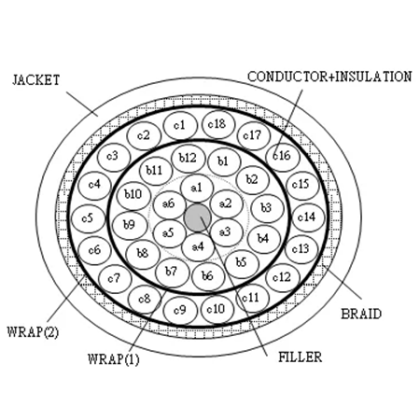
medical cable-4
Due to product images are only for the brief concepts and ideas, if you can't find any information or product you need in this page, please feel free to Contact us directly.
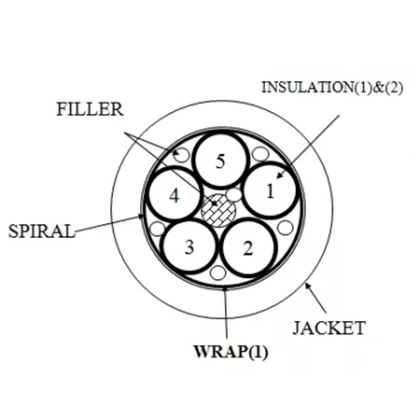
medical cable-3
Due to product images are only for the brief concepts and ideas, if you can't find any information or product you need in this page, please feel free to Contact us directly.
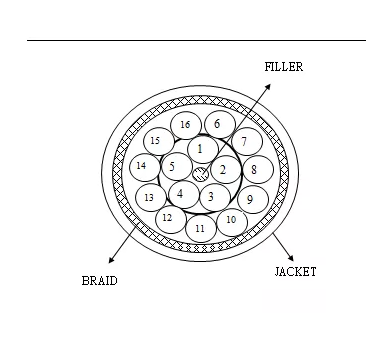
medical cable-1
Due to product images are only for the brief concepts and ideas, if you can't find any information or product you need in this page, please feel free to Contact us directly.
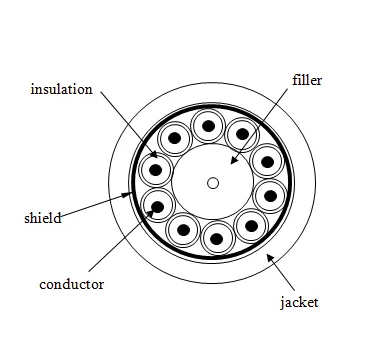
medical cable-2
Due to product images are only for the brief concepts and ideas, if you can't find any information or product you need in this page, please feel free to Contact us directly.